Get a Free Quote

materials guide

Choosing Your Stone

Granite, quartz, quartzite, marble and porcelain each have their own character and their own needs. This guide sets them side by side, so you can visit the showroom knowing what to look for.

material by material

What Sets Each One Apart

Three of these surfaces are quarried natural stone, and two are manufactured. That difference explains much of how each one looks, handles heat and ages, and how much care it asks of you.

Granite

A hard-wearing natural stone that handles everyday kitchen heat well, with a pattern set by nature rather than by design.

Choose granite when you want a natural stone for busy, everyday cooking. In hardness, it sits between marble and quartzite: harder and far less sensitive to acids than marble, and generally easier to cut and shape than quartzite. Colours run from near-black and deep green to warm beiges, greys and whites, and the pattern tends to speckle and swirl rather than flow in the long, soft veins of marble.

No two granite slabs match, so look at the whole slab rather than a small sample: colour and pattern can shift from one end to the other. As a rough guide, dark, fine-grained granites tend to absorb less than pale, coarse-grained ones, which can show oil marks sooner and usually need resealing more often. For a pale, marble-like look in natural stone, compare quartzite too.
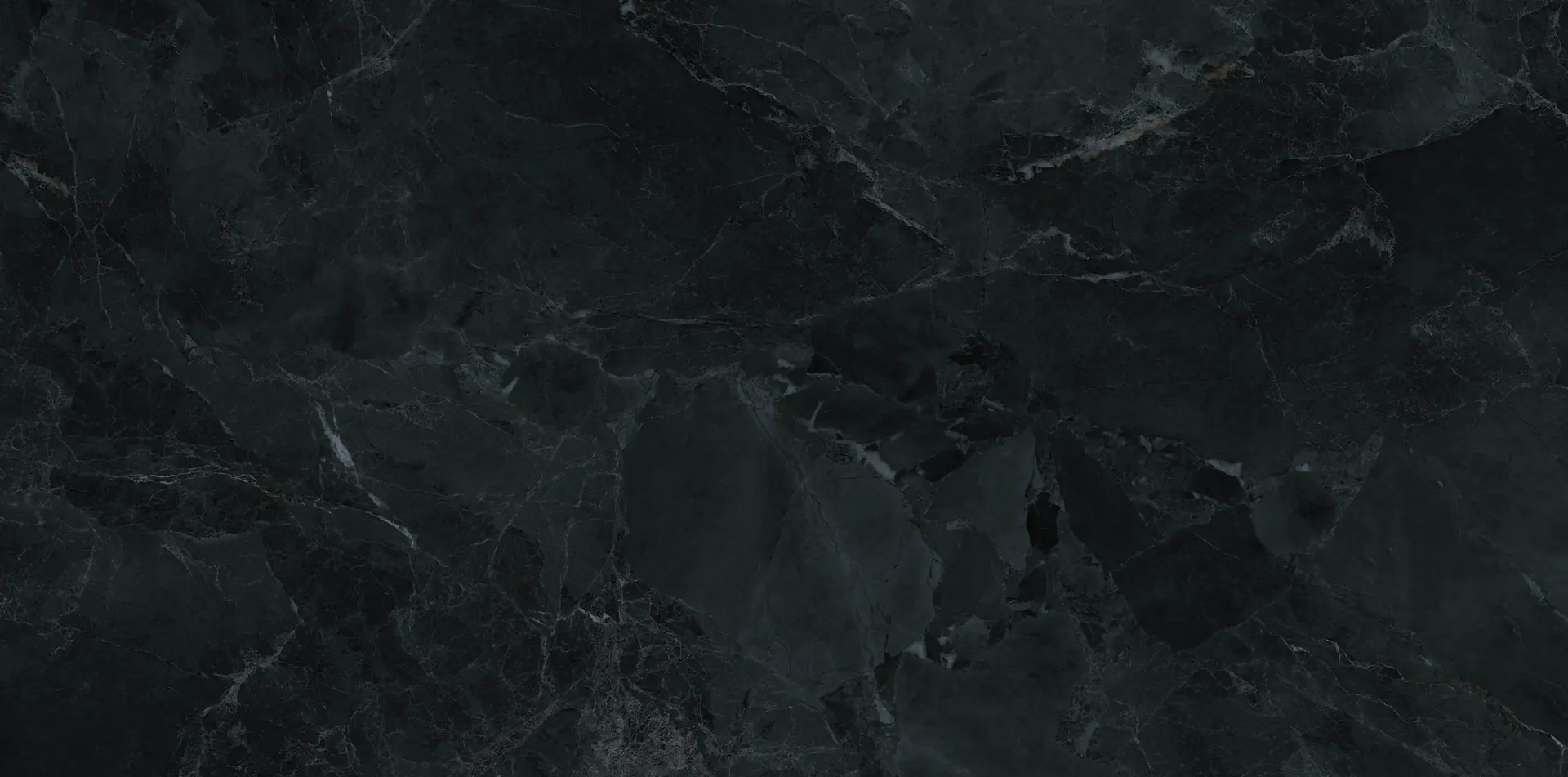
Granite Countertops

Quartz

A manufactured surface chosen for predictable colour and easy daily care, provided you plan around hot cookware and strong, direct sunlight.

Choose quartz when consistency matters more than individuality. With its colour set at the factory, it is among the easiest surfaces to match to cabinet doors, tile and paint chosen in advance, or to repeat in several rooms. Collections run from plain solids and fine, even grains to veining modelled on marble. At close range, engineered veining can read flatter than natural stone, so compare the two before you choose.

Quartz suits most indoor counters, and it is often the simplest choice where several people share a kitchen or bathroom and nobody wants to think about sealing. Its limits are heat and strong sun. If hot pans tend to land wherever there is space, granite, quartzite or porcelain copes better. For a counter in direct sun for much of the day, granite, quartzite or porcelain is the safer choice, since none of them relies on resin.

Quartz Countertops

Quartzite

A dense natural stone that often resembles marble but is much harder, provided the slab you choose is true quartzite.

Quartzite is often the answer for people drawn to marble who need a surface for a working kitchen. True quartzite is generally harder than granite and resists the acid etching that dulls marble, so it keeps its finish through daily cooking. It also copes well with heat and strong sun, which makes it a natural option for a bright room. Like granite, it is chosen slab by slab, and its movement can be bold or barely there.

Of the two natural stones with a marble look, quartzite is the more forgiving. It usually needs sealing, unlike quartz or porcelain, but it has no resin to scorch and no printed pattern to expose at a chipped edge. Not every slab labelled quartzite is true quartzite, so confirm what yours is before you count on these strengths.

Quartzite Countertops

Marble

The softest and most acid-sensitive material in this guide, chosen for its depth and veining by people who accept a surface that changes with use.

Marble is chosen for its look: gentle veining and a surface with a little depth to it. It is also the material in this guide that asks the most of its owner. Fine scratches and dull etch marks build up over the years, even with careful use, so the real question is whether you will see them as character or as wear. If that thought bothers you, compare quartzite, or quartz and porcelain with marble-style veining.

A simple test helps you decide. On a sample of the stone you are considering, let a few drops of lemon juice and red wine sit for a few minutes, then drag the base of a ceramic mug across the surface. The marks that appear are the kind your counter will collect in daily use. Try it on a honed and a polished piece, and see which one hides them better.

Marble Countertops

Porcelain & Sintered Stone

Large, resin-free manufactured slabs with strong resistance to heat, stains and fading, and edges that need some care.

Porcelain and sintered stone are made from fine mineral powders, such as clay, feldspar and silica, pressed into slabs and fired at very high temperatures. The names cover closely related products: porcelain slabs grew out of tile making, and sintered stone is a broader term some makers use. Both are dense, virtually non-porous and free of resin, so heat, spills and sunlight trouble them far less than most surfaces. That makes them practical behind a range, in a sunny room or, with a product rated for it, outdoors.

The trade-offs are in the edges and the pattern. Slabs are often thin and, though hard, fairly brittle, so a sharp knock from a heavy pot can chip an exposed edge or corner, and a chip can be harder to repair invisibly than on natural stone. On many products, the pattern is printed on the surface rather than running through the body, so a shaped edge can reveal a plainer core. Ask to see the edge of a slab before you choose a profile.

how they compare

The Five Surfaces Compared

The table sums up the main trade-offs. Treat it as a general guide: slabs of the same material can differ, natural stone most of all, so ask about the one you choose.

Granite, quartz, quartzite, marble and porcelain or sintered stone compared by look, heat resistance, stain resistance, maintenance and best uses.

Granite, quartz, quartzite, marble and porcelain or sintered stone compared by look, heat resistance, stain resistance, maintenance and best uses.
Material Look Heat Stains Maintenance Best for
Granite Natural speckle and swirl; every slab unique High: trivet still advised Good: when kept sealed Moderate: reseal from time to time Busy kitchens and keen cooks
Quartz Even, designed colour; solids to soft veins Moderate: always use a trivet High: non-porous surface Low: no sealing; mild cleaners only Low-upkeep kitchens and family bathrooms
Quartzite Often marble-like veining; every slab unique High: trivet still advised Good: when sealed; varies by slab Moderate: reseal as the slab needs Marble looks for busy, bright kitchens
Marble Flowing veins; often slightly translucent Good: a trivet protects the finish Fair: acids etch even sealed stone High: reseal, wipe acids promptly Powder rooms, vanities, baking stations
Porcelain / sintered stone Stone, concrete or plain looks; often surface-printed Very high: trivet still advised Very high: virtually non-porous Low: no sealing; protect the edges Range walls, sunny rooms, outdoor use

everyday care

Looking After Your Stone

A few simple habits protect all five surfaces. If your surface comes with a manufacturer's care guide and its advice differs from ours, follow the guide.

  • Clean Gently Every Day

    A soft cloth, warm water and a drop of mild, pH-neutral soap suit all five surfaces. Dry the counter afterwards, since water spots and streaks show most on dark, polished finishes.

  • Catch Spills Early

    Blot a spill with a paper towel first, so it lifts rather than spreads, then wipe the area clean. Oil, wine, coffee and citrus matter most on natural stone: left to sit, they can soak in, and acids can etch marble.

  • Keep a Trivet Nearby

    Even heat-tolerant surfaces can crack when one spot heats quickly, and heat wears down sealers on natural stone. Put hot pans, baking dishes and countertop appliances that run hot on a trivet or heat pad.

  • Cut on a Board

    Hard stone and porcelain blunt knives, while a blade can scratch marble. Use a board for all cutting, and lift heavy pots and ceramics rather than dragging them across the surface.

  • Reseal Natural Stone

    Sealers on granite, quartzite and marble wear away gradually, fastest where the counter is used most. Check them now and then, and reseal with a penetrating stone sealer, following its instructions; quartz and porcelain need no sealing.

  • Avoid Harsh Cleaners

    Vinegar and citrus sprays etch marble and wear down sealers, bleach can mark quartz, and scouring powders dull polished finishes. Choose a pH-neutral cleaner made for stone instead.

partner brands

Brands We Work With

We work with surfaces from these partner brands, each with its own collections, finishes and care guidance. If you have a brand or colour in mind, mention it when you request a quote.

  • Silestone
  • Radianz
  • Vicostone
  • Dekton
  • MSI
  • Mars Quartz
  • Levantec
  • Zenith Quartz
  • Zenvia Stone
  • Everest Quartz
  • Cambria
  • Viatera
  • HanStone

Before you decide

Compare Slabs in Person

A small sample shows a colour; a full slab shows how the pattern moves across a counter. See samples in person at 1417 Cyrville Rd, Unit B, Ottawa, see full slabs in our warehouse, or ask us to arrange a look at a slab at our supplier before it is cut.